




Wheel Alignment 101
Wheel Alignment 101
Is your vehicle pulling to one side while driving, or do you notice uneven tire wear? It might be time to check your wheel alignment. Proper wheel alignment is a crucial aspect of vehicle maintenance that often gets overlooked—but James O’Neal CDJR (Chrysler Dodge Jeep Ram) is here to tell you all about it.
In this comprehensive wheel alignment 101 guide, we’ll answer all your questions about wheel alignment, from the basics to the importance of regular maintenance. That way, your drives around Bremen, Villa Rica, and Carrollton, Georgia, will be smoother than ever.
What Exactly is Wheel Alignment?
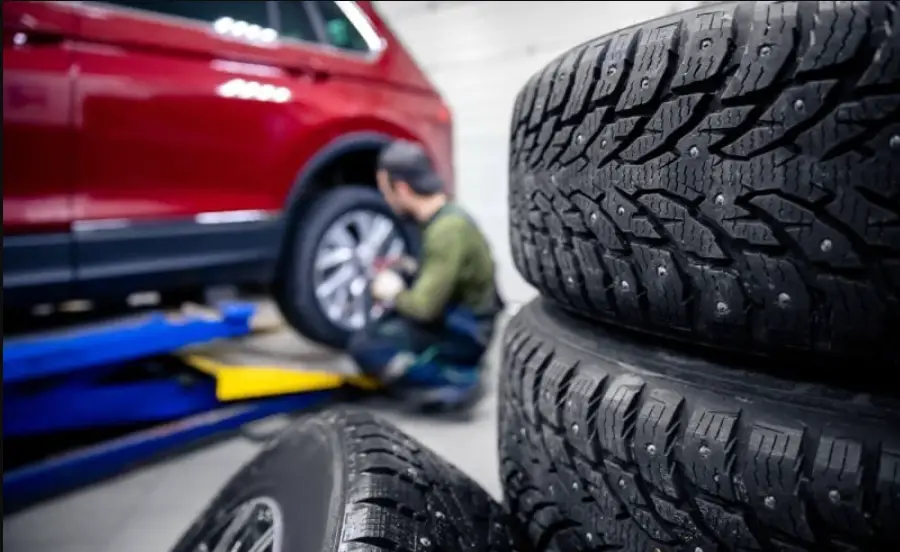
Wheel alignment, also known as tire alignment, refers to the adjustment of the angles of your vehicle’s wheels. It ensures that your tires are perpendicular to the road and parallel to each other. Proper alignment helps your vehicle drive straight and evenly, improving safety and extending tire life.
Why Is Wheel Alignment Important?
Wheel alignment does a lot for your vehicle and is essential for several reasons. Here are some of the most crucial:
- Safety: Proper alignment ensures stable handling and reduces the risk of accidents, especially in adverse road conditions.
- Tire Longevity: Misaligned wheels cause uneven tire wear, leading to premature tire replacement. Alignment helps maximize your tire investment!
- Fuel Efficiency: Correct alignment reduces rolling resistance, improving fuel efficiency and saving you money at the pump.

How Can I Tell If My Vehicle Needs Alignment?
Not sure if your vehicle requires wheel alignment? Look out for these common signs:
- Pulling: If your car drifts to one side when driving straight, it’s a sign of misalignment.
- Uneven Tire Wear: Check your tires for uneven tread wear, a sign your vehicle might need realignment.
- Off-Center Steering Wheel: Does your steering wheel feel not quite centered when driving straight? This is a popular indicator it’s time to make an appointment.
What is the Wheel Alignment Process?
During a wheel alignment, a certified technician in our service center adjusts three main angles. This ensures your wheels are properly aligned, and your car is able to perform as it should. These angles include:
- Camber: This angle measures the tilt of your tires. Too much positive or negative camber can cause uneven tire wear.
- Toe: Toe alignment refers to the angle at which your tires point inward or outward when viewed from above. Proper toe alignment ensures straight-line stability.
- Caster: Caster alignment affects steering stability. It determines the angle of the steering pivot when viewed from the side.
How Often Should You Get an Alignment?
It’s generally recommended to get a wheel alignment when:
- Every 6,000 Miles: Include this as a part of regular maintenance every other oil change.
- After Hitting a Pothole: Sudden jolts can throw off alignment, so it may need to be readjusted.
- New Tires: When getting new tires installed, it’s important to make sure they’re properly aligned.
- Suspension Work: Also, schedule wheel alignment after significant suspension repairs or modifications.
Schedule Professional Wheel Alignment at the James O’Neal CDJR Service Center
Proper wheel alignment is more than just a maintenance task. It’s a safety and cost-saving measure. Regularly checking and maintaining your vehicle’s wheel alignment will keep you safe on the road, extend the life of your tires, and improve fuel efficiency.
If you suspect your vehicle needs an alignment, contact James O’Neal CDJR. Our expert technicians will ensure your wheels are perfectly aligned, keeping your ride smooth around Bremen, Carrollton, and Villa Rica, GA.